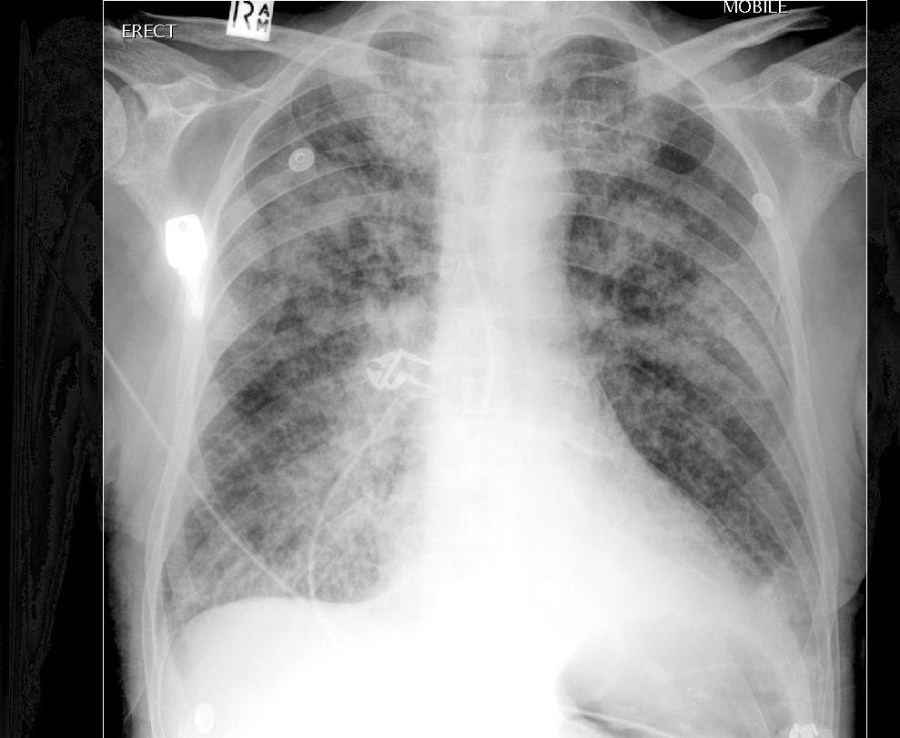
Sympathetic Crashing Acute Pulmonary Edema (SCAPE)

Introduction: As medicine is ever changing, new diseases and symptomatology are being classified differently according to the etiology, presentation, clinical findings, and treatments of subsets of disease pathology. There have been various names throughout the continued advancement of medicine for acute pulmonary edema, but there have also been various clinical findings and differences in treatments …

Continue reading Sympathetic Crashing Acute Pulmonary Edema (SCAPE)

Midlines in the Emergency Department; a literature review

Title: The Utility of Midline Intravenous Catheters in Critically Ill Emergency Department Patients. Ann Emerg Med. 2019 Dec 24. pii: S0196-0644(19)31236-3. doi: 10.1016/j.annemergmed.2019.09.018. What is already known about this topic?Previous studies have shown midline catheters inserted in upper arm veins have lower complication rates compared to central lines, and high rates of successful placement in …

Continue reading Midlines in the Emergency Department; a literature review

Inhalation Injury

A 56yo female is brought to the ED after being pulled out of a house fire. EMS found patient unresponsive with pulse, in burning house. Patient was extricated from the house and on initial EMS evaluation patient was desaturating on room air. She was placed in nasal canula, but continued to have low oxygen saturation, …

Continue reading Inhalation Injury

Troubleshooting the Ventilator

Troubleshooting the Ventilator  Terms to know:  Tidal Volume (TV)= amount of air that moves in or out of the lungs with each respiratory cyclePlateau Pressures (PPlat)= reflect pulmonary compliance as well as the pressure applied to small airways and alveoli. It can be measured by applying a brief inspiratory pause after ventilation. Peak Pressures (PIP)= This …

Continue reading Troubleshooting the Ventilator