Central Venous Access: Which One is the Best

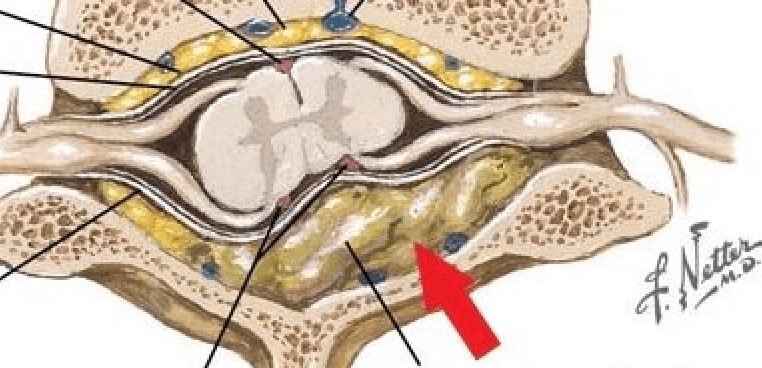
Introduction Central venous access is a cornerstone of medical resuscitation in a variety of scenarios. Three primary sites of central cannulation exist, and all three have perceived advantages and disadvantages. Of the three routes, a number of studies have shown benefit to subclavian as opposed to Internal Jugular (IJ) or femoral insertion, although this route …

Continue reading Central Venous Access: Which One is the Best

OUTPATIENT MANAGEMENT OF LOW-RISK VTE (*specifically DVT) in the EMERGENCY DEPARTMENT 

Case: 45 y/o healthy male with no significant pmhx who presents to the ER with complaints of RLE pain/swelling over the past 2 days. States he was recently on a road trip to Montana with the family and after returning home, noticed the symptoms. Denies any SOB, chest pain, fevers, chills, dizziness, or changes in …

Continue reading OUTPATIENT MANAGEMENT OF LOW-RISK VTE (*specifically DVT) in the EMERGENCY DEPARTMENT 

Sympathetic Crashing Acute Pulmonary Edema (SCAPE)

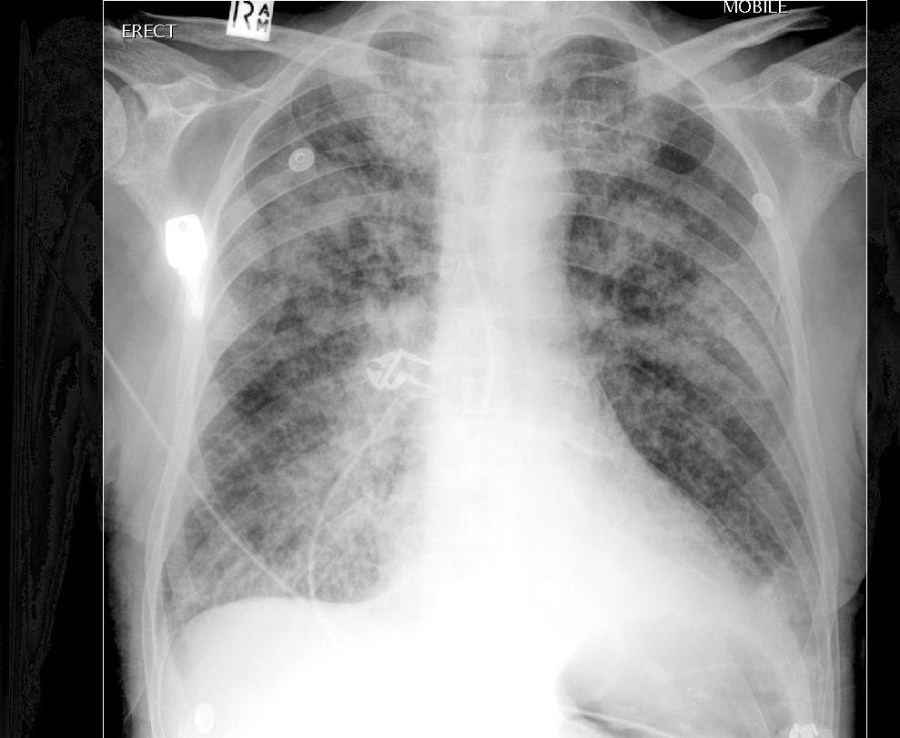
Introduction: As medicine is ever changing, new diseases and symptomatology are being classified differently according to the etiology, presentation, clinical findings, and treatments of subsets of disease pathology. There have been various names throughout the continued advancement of medicine for acute pulmonary edema, but there have also been various clinical findings and differences in treatments …

Continue reading Sympathetic Crashing Acute Pulmonary Edema (SCAPE)

Approach to Nail Trauma

Intro: Distal digital trauma is common and often associated with cosmetic and functional disturbances.Underlying lacerations are often masked by gross deformities of the nail and hematomas.Crush and blunt force injuries are usually the mechanisms involved with nail deformities and underlying nailbed injuries.Treatment can often necessitate nail removal based on clinical judgement and suspicion of underlying …

Continue reading Approach to Nail Trauma

Subtle hints and STEMI Equivalents

As ED doctors, we’re often handed EKGs every few minutes. Our minds initially will always go to ST elevations and possible myocardial infarctions. With this in mind however, what are the other, lesser seen variants that are equally as dangerous and also warrant immediate catheterization? Hyper-acute T waves  Before starting to discuss STEMI equivalents, let’s …

Continue reading Subtle hints and STEMI Equivalents

Everything you need to know about Pre-Eclampsia

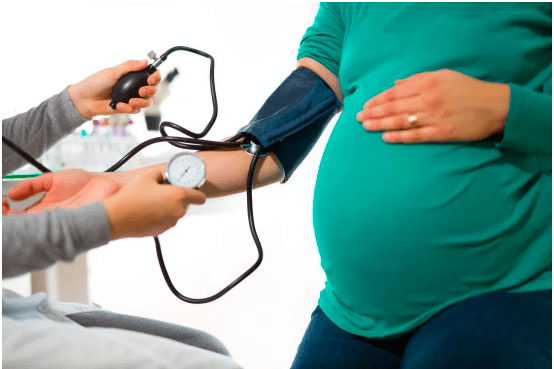
31 year old female presents to the emergency department at 34 weeks pregnant with complaints of a headache. Upon examination the patient also notes she’s having blurred vision and is found to have a blood pressure of 150/90.  The first differential on every emergency physician’s mind should be pre-eclampsia, but with this in mind, what …

Continue reading Everything you need to know about Pre-Eclampsia

ER Doc’s guide to Pulmonary Embolisms

Introduction of Case  47-year-old male presents for evaluation of right sided chest pain that started one week ago. He states that within the last five days, his pain has gotten progressively worse. He reports dyspnea, sharp pleuritic chest pain, worse with inspiration. Vitals at triage note HR 96, O2 Sat 100% on RA, RR 14. …

Continue reading ER Doc’s guide to Pulmonary Embolisms

Toxic Alcohols and the 5 minutes before the exam

44 year old male presents to ED with a medical history of hypertension and notes several vague complaints including numbness, fatigue, and slurred speech. Patient’s girlfriend notes that over the last several days the patient has been acting strangely, slurring his speech, appears confused, while periodically falling asleep. Physical exam is grossly negative with the …

Continue reading Toxic Alcohols and the 5 minutes before the exam

Deep Dive – Alcoholic Ketoacidosis

A 34 year old male with a medical history of hypertension, hyperlipidemia and chronic liver injury secondary to alcohol abuse presented to the emergency department with diffuse abdominal pain and more than 30 episodes of vomiting over the past 12 hours. The patient admitted to increased alcohol intake over the past two days, however stated …

Continue reading Deep Dive – Alcoholic Ketoacidosis