

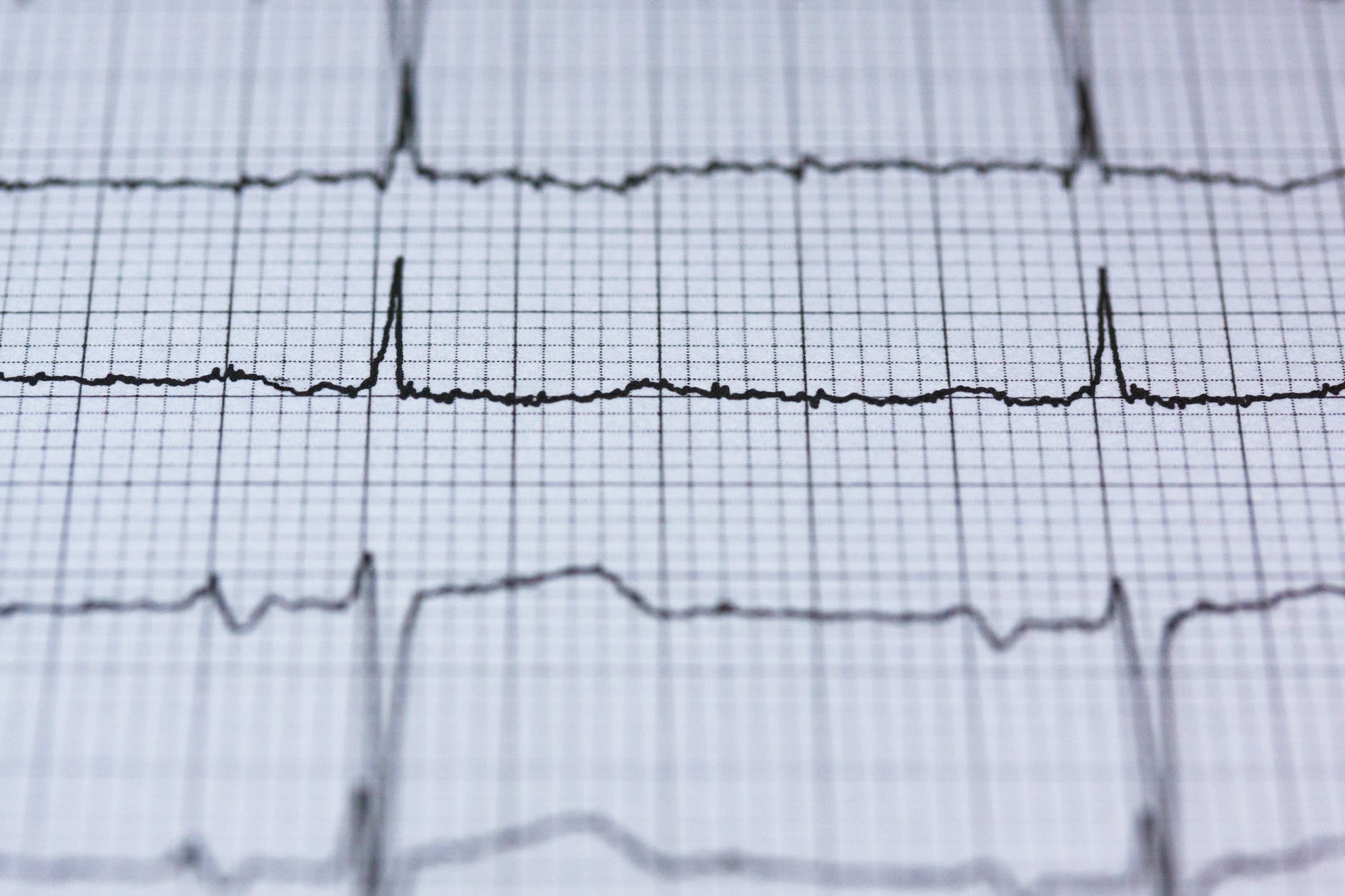
It is important to develop a consistent method to read ECG’s as an EM physician. This method should be thorough, but able to be completed rapidly. Without a structure, it is much more likely to miss a critical finding on the ECG. I have tried multiple different methods, each with strengths and weaknesses. I am going to outline the method I have found best.
Rate:
There are 2 quick methods:
- 300 divided by the number of large boxes between two consecutive R waves
- The number of R waves on a 10 second rhythm strip x 6. (this is good for irregular rhythms)
Normal in adults: 60-100
Normal in Pediatrics:
- Newborn: 110 – 160 bpm
- 2 years: 85 – 125 bpm
- 4 years: 75 – 115 bpm
- 6 years+: 60 – 100 bpm
Rhythm:
Use the rhythm strip or Lead II and ask yourself the following questions to determine if the rhythm is sinus or not
Is the rhythm regular?
QRS wide or narrow?
P wave present and upright in lead II?
Is there a P before every QRS?
If there is a P before every QRS that is upright in lead II and of constant distance from the QRS, then the rhythm is sinus
Axis:
Here is a link for a great resource to understand axis more fully: https://litfl.com/ecg-axis-interpretation/
In brief:
- Negative in lead I, Postive in aVF = Right axis deviation
- Positive in lead I, Negative in aVF and Negative in lead II = LAD
- Positive in lead I, Negative in aVF but postivie in lead II = Normal
- Positive in lead I, Positive in aVF = Normal
Intervals:
3 to check:
- PR: 0.12-.20 (1 large block) is normal
- QRS: Less then .12 (1/2 large block) is normal
- QT: Less then 1/2 of the R-R interval is normal
Hypertrophy:
The most important type of hypertrophy for us to diagnose is Left ventricular hypertrophy(LVH). To diagnoses LVH the patient must be over 35 and show signs of left ventricular strain on ECG (downsloping st segments). In addition they must have signs of electrical hypertrophy on the ecg. Below are two ways to diagnose this:
- S wave in V1 or V2 PLUS the R wave in V5 or V6. Use whichever is largest. >35 indicates LVH
- R wave >11 in aVL indicates LVH
QRST:
- Q waves in all leads
- R wave progression
- Normal progression is when the R wave becomes taller then the S wave between V2 to V4
- R wave should be greater then 3mm in V3
- ST segments:
- assess for ST segment elevation, depression, inverted T waves, flattened T waves and nonspecific changes
That is a very brief overview of my approach to reading an ECG. Please use this as a reference as needed while learning to read ECG’s on your own. Some additional awesome resources: https://litfl.com/, http://www.blogecg.com, http://hqmeded-ecg.blogspot.com/
Author: James Bohan, MD
 AOMC FOAMed